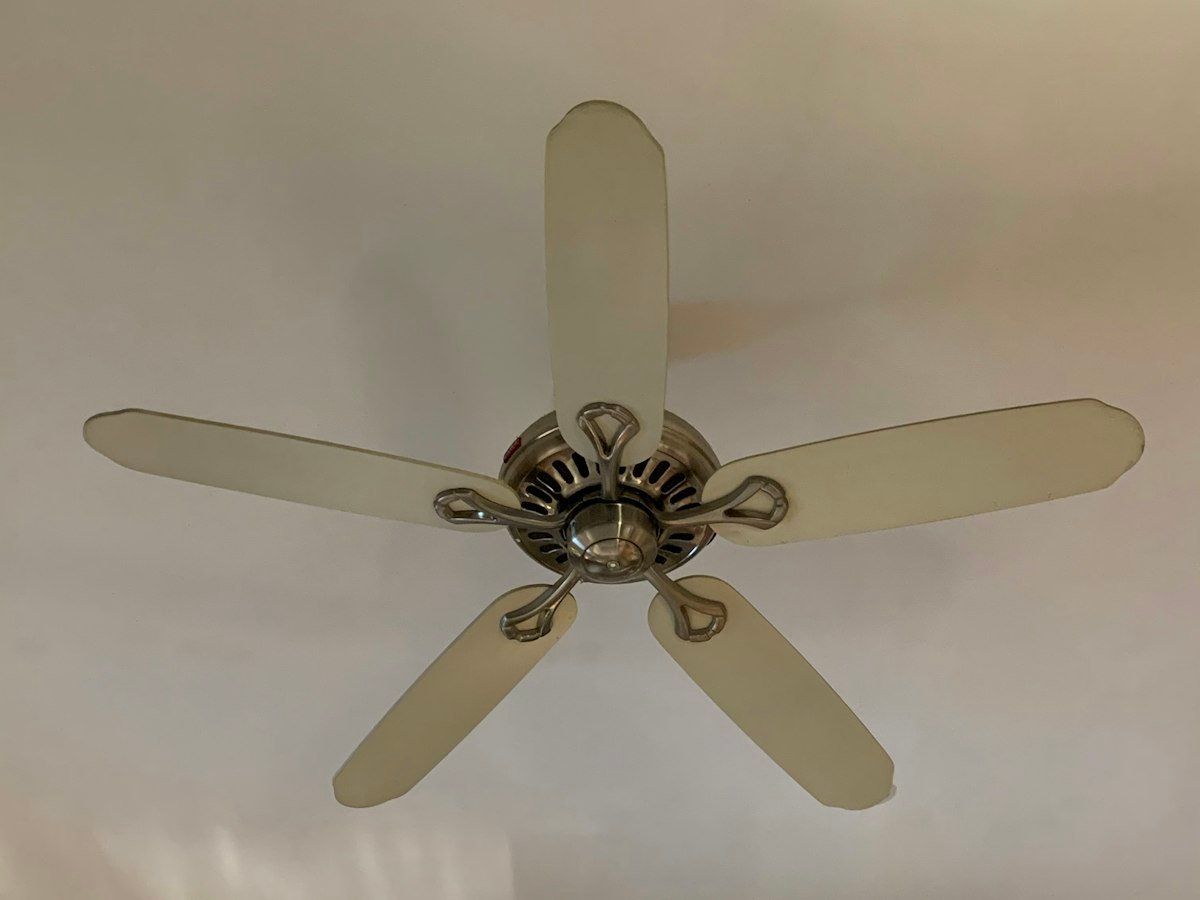
Inverter Ceiling Fans: How to Save Up to 60% on Electricity (2026 Buying Guide)
If your electricity bill jumps every summer, your ceiling fans are a good place to start. A fan may look like a small load, but most homes run three to six of them for 10 or more hours a day. Switching to an inverter ceiling fan is one of the simplest ways to cut that cost without giving up comfort.
What is an inverter ceiling fan?
An inverter fan, also called a BLDC (brushless DC) fan, uses a different kind of motor from a traditional fan. A normal fan has an AC induction motor that wastes a lot of energy as heat. An inverter fan converts mains power to DC and uses a small electronic controller to drive a brushless motor. The result is the same airflow for much less electricity.
How much power does it really save?
A standard 56-inch ceiling fan typically draws around 70–80 watts at full speed. A good inverter fan of the same size usually draws around 28–35 watts. That is roughly half the power, and up to 60% less at lower speeds.
| Standard fan | Inverter (BLDC) fan | |
|---|---|---|
| Typical power at full speed | 70–80 W | 28–35 W |
| Runs on UPS / solar | Drains batteries fast | Runs much longer |
| Speed control | Wall regulator | Remote, 5+ speeds |
| Noise | Can hum | Very quiet |
| Heat from motor | Noticeable | Minimal |
If you run four fans for 12 hours a day, the savings add up quickly over a year, and the fan often pays for itself within a few seasons.
Choosing the right size
The blade sweep (diameter) should match your room:
- Up to 10×10 ft (small bedroom, study): 36–42 inch fan
- Up to 12×12 ft (standard bedroom): 48 inch fan
- Larger rooms and living areas: 56 inch fan, or two fans for very long rooms
What to check before you buy
- Wattage: look for 35 W or less at top speed.
- Air delivery: measured in CMM (cubic metres per minute). Higher is better; a 56-inch fan should move well over 200 CMM.
- Remote control: useful for speed, timer and sleep modes.
- UPS and solar compatibility: most inverter fans run on a wide voltage range, which is ideal for areas with load-shedding.
- Warranty: choose fans with at least a 2-year motor warranty.
- Blade material: aluminium or ABS blades resist rust and stay balanced.
Inverter fans and load-shedding
Because an inverter fan draws so little power, a home UPS or solar battery can run it for many more hours than an ordinary fan. For homes that deal with power cuts, this is often the biggest benefit of all.
Our pick
Browse our range of ceiling fans, including inverter DC models with remote control, or explore all home appliances. Every order ships free worldwide.
Shop fans from this guide
All ceiling fans →

Frequently asked questions
Do inverter fans give less air?
No. A well-made inverter fan moves the same or more air than a standard fan of the same size. The saving comes from a more efficient motor, not weaker airflow.
Can I use my old wall regulator?
Usually not. Inverter fans are controlled by their own remote or a special switch. A normal regulator can damage the fan’s electronics.
Are inverter fans worth the higher price?
For fans that run many hours a day, yes. The electricity saved typically covers the price difference within one to three years.
Explore all departments
Over 390 products across 22 departments, with free worldwide shipping and secure card checkout.
- Electronics
- Mobiles & Tablets
- Mobile Accessories
- Smart Watches
- Home Appliances
- Kitchen & Dining
- Furniture
- Home Decor
- Lighting
- Bedding & Bath
- Beauty
- Fashion
- Shoes
- Sports & Fitness
- Baby & Kids
- Tools & Car
- Home Storage
- Health & Wellness
- Garden & Outdoor
- Travel & Luggage
- Gifts & Occasions
- Groceries